
Diet & Fasting
A deep dive into how diet and fasting can be effective for the treatment of Cancer.
Ketogenic Diet
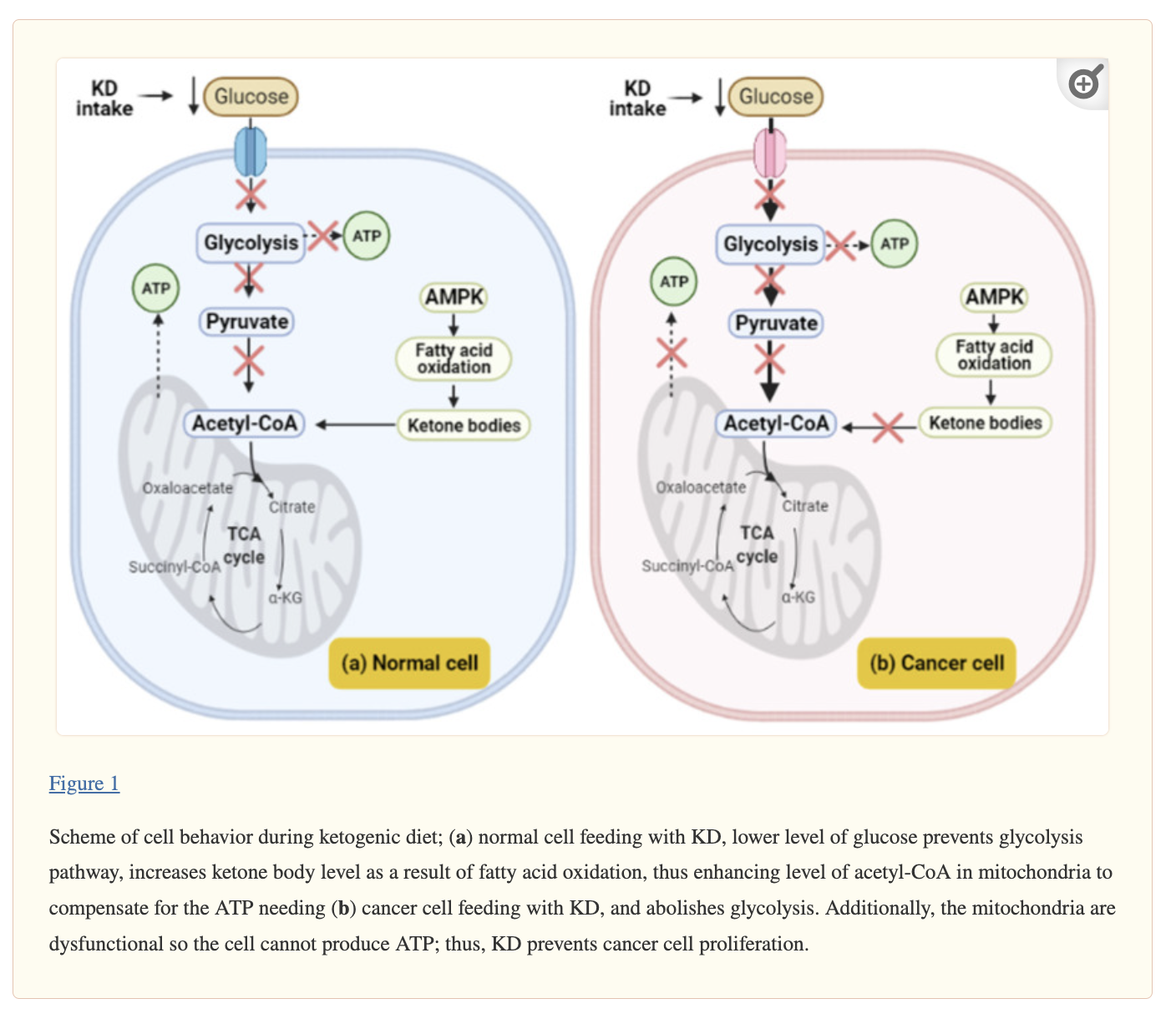
Within some metabolic approaches to cancer, a rigorous ketogenic diet may be considered with the aim of reducing blood glucose and increasing ketone levels. Some proponents use measures such as the Dr. Boz Ratio and blood glucose/ketone meters to monitor these metabolic changes. The role of ketogenic diets during cancer treatment remains an area of ongoing research. Their suitability may vary according to the individual, their nutritional status, cancer and treatment, and dietary interventions during cancer care should be discussed with appropriately qualified healthcare professionals.
Resources:
- Ketogenic Diet in Cancer Prevention and Therapy: Molecular Targets and Therapeutic Opportunities
- https://www.ncbi.nlm.nih.gov/pmc/articles/PMC8928964
- DietDoctor - 14-day keto diet meal plan
Fasting
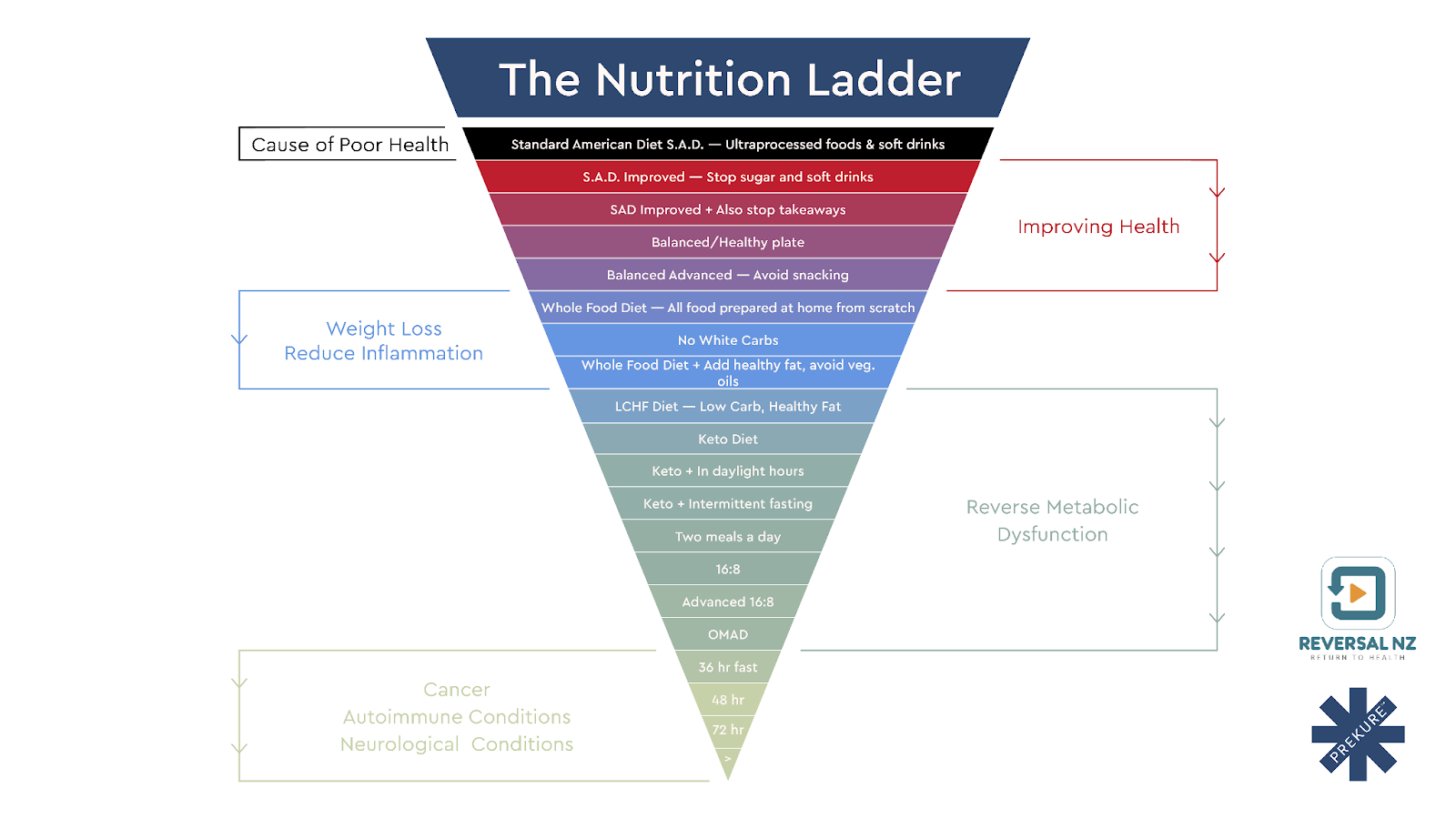
Nutrient sensors like insulin, IGF1, mTOR, and AMPK are critical for detecting the levels of macronutrients circulating in our blood. They transmit growth signals to both normal cells and cancer cells, playing a role in how these cells develop and proliferate. By altering our intake of macronutrients, we can potentially influence the growth of cancer cells.
Reducing carbohydrate consumption can lower insulin levels, thereby attenuating growth signaling pathways. Similarly, the mTOR pathway, closely related to protein levels, can be manipulated by dietary adjustments to curb cell growth. AMPK, a sensor for overall caloric intake, provides another opportunity to influence cancer cell development. Through practices like fasting, we can modulate these pathways to potentially impact cancer cell growth.
In the fed state, cell growth occurs; in contrast, the fasting state triggers cell repair, replacement, and recycling. These latter processes are medically referred to as apoptosis (programmed cell death) and autophagy (cellular self-digestion). Both intermittent fasting and extended fasting periods can be utilized to enhance these processes, possibly promoting increased cancer cell death.
Fasting not only boosts the effectiveness of conventional cancer treatments like chemotherapy and radiotherapy but also helps minimize their side effects.
Now, how does this relate to mitochondria? Well, the mentioned nutrient sensors—insulin, IGF1, mTOR, and AMPK—also influence mitochondrial function. Insulin and IGF1, for example, have been shown to affect mitochondrial biogenesis. The mTOR pathway also plays a role in mitochondrial function and dynamics, and AMPK activation helps promote mitochondrial biogenesis and function. Thus, manipulating these nutrient sensing pathways through dietary changes and fasting can also influence the health and function of mitochondria. This can potentially improve overall cellular health, including in cancer cells, and contribute to therapeutic strategies.
Starving Away Cancer – The Miracle of Fasting, Explained. [5 Studies]
Success Stories
- LUNG CANCER Success with a 15 cm (6 inch) Tumor
- From Stage 4 Cancer to CANCER-FREE: Guy Tenenbaum Success Story
Scientific Studies:
- Fasting for Cancer: What About Cachexia?
- Selectively starving cancer cells through dietary manipulation: Methods and clinical implications
- Safety and feasibility of fasting in combination with platinum-based chemotherapy
- How Far Are We from Prescribing Fasting as Anticancer Medicine?
Some cancer cells learn to use proteins, fats and even ketones as fuel. There are a number of
supplements and repurposed medications that can reduce the metabolism of these other fuel
sources. Many of these medicines are simple e.g. low dose aspirin.
Other Chapters
Other chapters delving into these theories, exploring the science behind them and their potential applications in cancer treatment.
Understanding what cancer is, how it develops, and how it impacts the body.
Other Resources
Other resources delving into these theories, exploring the science behind them and their potential applications in cancer treatment.
Every system in the human body is interconnected, and when the terrain is out of balance, the body often sends warning signs. In this chapter we will look at the warning signs of an out of balance terrain and also what we should be looking at to address them.
The metabolic preferences of cancer cells can significantly influence their behaviour.
Rebuilding muscle after undergoing chemotherapy and experiencing muscle loss requires a gradual and personalised approach.
Could it be possible that diseases, including cancer, are manifestations of what's happening with our emotions?
The gut is the foundation upon which several key aspects of our health are built.
In this chapter, we will explore the importance of sleep in optimising our terrain and delve into the main benefits of quality sleep.